


When homeowners think about design, their attention often goes first to visible highlights—countertops, flooring, paint colors, or lighting. These elements are important, but they are not what truly define how a space works. One of the most influential features in any home is often overlooked because it blends so naturally into the background: cabinetry.
Cabinetry is not just storage. It is structure, organization, and visual rhythm all at once. It determines how a room flows, how clutter is managed, and how the space feels from the moment someone walks in. Whether in a kitchen, bathroom, laundry room, or living area, cabinetry plays a quiet but powerful role in shaping daily life.
That is why homeowners exploring cabinetry in Evanston, IL often begin to see it not as a single design choice, but as a system that connects the entire room. Good cabinetry does not draw attention to itself in an obvious way. Instead, it creates a sense of order and ease that makes everything else in the space feel more intentional.
Redwood Cabinets and Design approaches cabinetry with this perspective. The goal is not simply to add storage, but to create a foundation that supports both the function and the character of the home.

How Cabinetry Defines the Flow of a Space
The way a room is used depends heavily on how it is organized. Cabinetry influences movement, accessibility, and the relationship between different zones within the space. In kitchens, it determines how easily someone can move between prep, cooking, and cleaning areas. In bathrooms, it shapes how personal items are stored and accessed. In living spaces, built-in cabinetry can define focal points and provide structure without overwhelming the room.
When cabinetry is planned carefully, the room begins to feel intuitive. Items are stored where they are needed. Movement feels natural rather than forced. There is less hesitation about where things belong or how to reach them. This is one of the most noticeable benefits for homeowners considering cabinetry in Evanston, IL. The space becomes easier to use, not because it has more elements, but because the existing elements are arranged more effectively.
Poorly planned cabinetry can have the opposite effect. Even a beautifully finished room can feel frustrating if storage is inconvenient or if movement between areas requires unnecessary steps. Cabinets that are too deep, too high, or placed without regard for daily habits can disrupt the flow of the room. Over time, these small inconveniences add up, making the space feel less comfortable.
Redwood Cabinets and Design focuses on aligning cabinetry with the way people actually use their homes. This means understanding routines, identifying patterns, and designing storage that supports those habits. When cabinetry reflects real behavior, the room begins to feel more natural and less demanding.
Why Cabinetry Shapes Visual Balance and Atmosphere
Cabinetry occupies a large portion of any room’s visual space. In kitchens, it often defines the majority of the walls. In bathrooms, it anchors the layout. Even in living areas, built-ins can shape the overall composition of the room. Because of this, cabinetry has a significant impact on how a space looks and feels.
Proportion plays a key role. Cabinets that are too large for the room can make it feel heavy, while cabinets that are too small or sparse can leave the space feeling incomplete. The relationship between upper and lower cabinetry, the alignment with windows and architectural features, and the spacing between elements all contribute to the room’s sense of balance.
Color and finish also influence atmosphere. Light cabinetry can create a sense of openness, while darker tones can add depth and contrast. Natural wood finishes introduce warmth and texture, while painted surfaces can offer a cleaner, more uniform appearance. These choices affect how the room feels throughout the day as lighting conditions change.
Homeowners evaluating cabinetry in Evanston, IL often notice that even small adjustments in style or proportion can transform the space. A simpler door profile can make a room feel more modern and open. A more detailed design can add character and richness. The key is ensuring that these choices align with the overall design of the home.
Redwood Cabinets and Design considers cabinetry as part of a larger visual system. Each decision is made with attention to how it interacts with other elements in the room. This approach creates a cohesive result where cabinetry supports the design rather than competing with it.
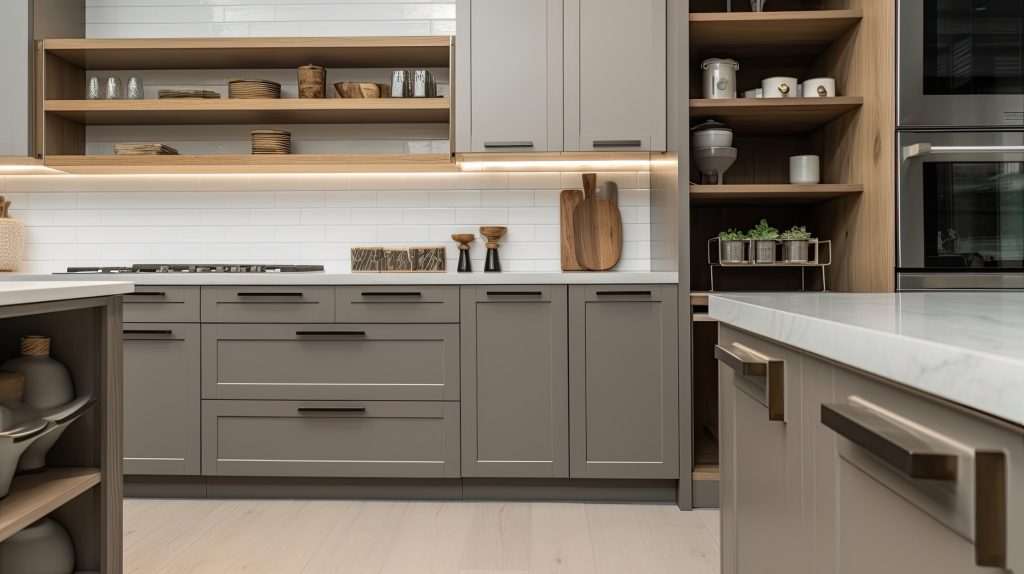
The Connection Between Cabinetry and Everyday Comfort
Beyond appearance and layout, cabinetry plays a major role in daily comfort. It affects how easily tasks are completed, how organized the space feels, and how much effort is required to maintain it. These factors may not be immediately visible, but they become clear over time.
Convenient storage reduces clutter and simplifies routines. When items have a clear place, they are more likely to be put away, keeping surfaces clear and the room looking tidy. Accessible cabinetry reduces physical strain, making it easier to reach and store items without unnecessary effort. Well-designed drawers and shelves allow homeowners to see what they have, reducing the need to search through crowded spaces.
For those considering cabinetry in Evanston, IL, these practical benefits are often just as important as the visual outcome. A kitchen that is easy to cook in, a bathroom that stays organized, or a living space that feels uncluttered all contribute to a more comfortable home environment.
Durability also plays a role in long-term comfort. Cabinets are used constantly, which means they need to hold up under daily wear. Strong construction, reliable hardware, and finishes that are easy to maintain help ensure that cabinetry continues to perform well over time. When cabinets remain functional and visually consistent, the space feels stable and dependable.
Redwood Cabinets and Design emphasizes these aspects because cabinetry should support everyday life, not complicate it. A well-designed system reduces friction and allows homeowners to focus on their routines rather than managing the space.
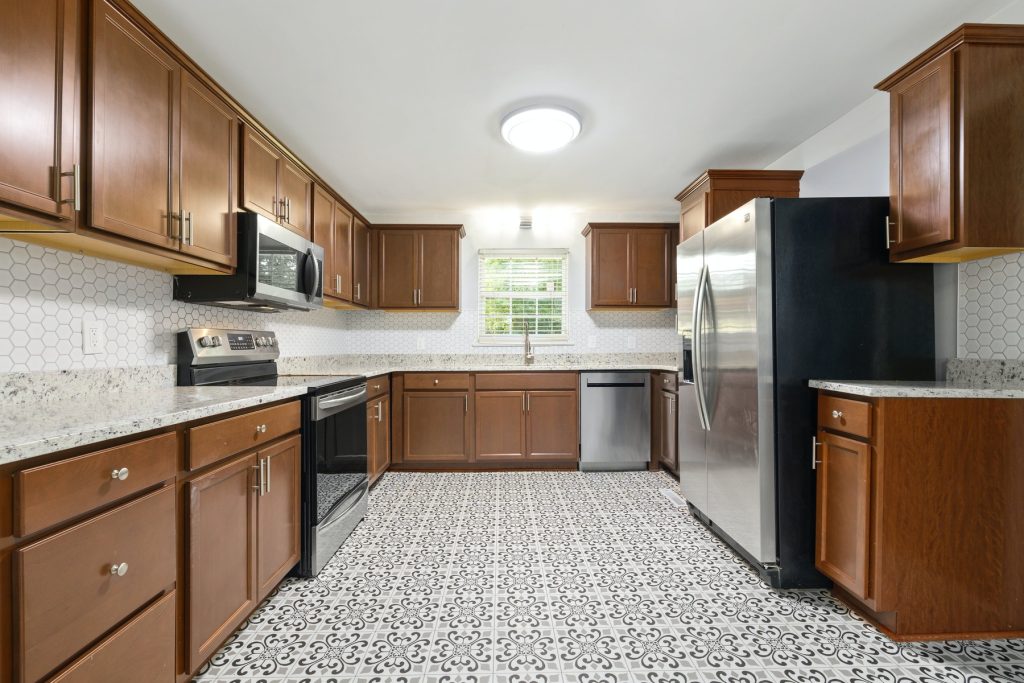
Creating a Cohesive Home Through Cabinet Design
Cabinetry does not exist in isolation. It connects different areas of the home and contributes to a sense of continuity. When cabinetry is designed with a consistent approach, it helps create a unified environment where each room feels related to the others.
This is particularly important in homes where multiple spaces are visible at once, such as open-concept layouts. Cabinetry in the kitchen may be seen from the living or dining area, making it part of a larger visual experience. Consistency in style, color, and proportion helps these spaces feel connected rather than fragmented.
For homeowners working with cabinetry in Evanston, IL, this level of coordination can enhance the overall quality of the home. Even when each room serves a different function, a cohesive approach to cabinetry creates a sense of harmony. The home feels more thoughtfully designed, and transitions between spaces feel smoother.
Redwood Cabinets and Design works with homeowners to develop cabinetry that fits within the broader context of the home. Instead of treating each room as a separate project, the design process considers how all spaces interact. This leads to a more unified result where cabinetry contributes to the identity of the home as a whole.
Over time, this cohesion becomes one of the most noticeable aspects of the space. It creates a sense of stability and intention that is difficult to achieve when design decisions are made independently for each room.
Cabinetry may not always be the first thing people notice, but it is often what makes a room feel complete. It organizes, defines, and supports the space in ways that are both visible and subtle. When planned carefully, it becomes the element that quietly holds everything together.
For homeowners exploring cabinetry in Evanston, IL, recognizing this role can change how they approach their project. Instead of focusing on individual features, they begin to see cabinetry as the foundation of the room. With the right design, that foundation creates a space that is not only functional, but also comfortable, balanced, and lasting.